
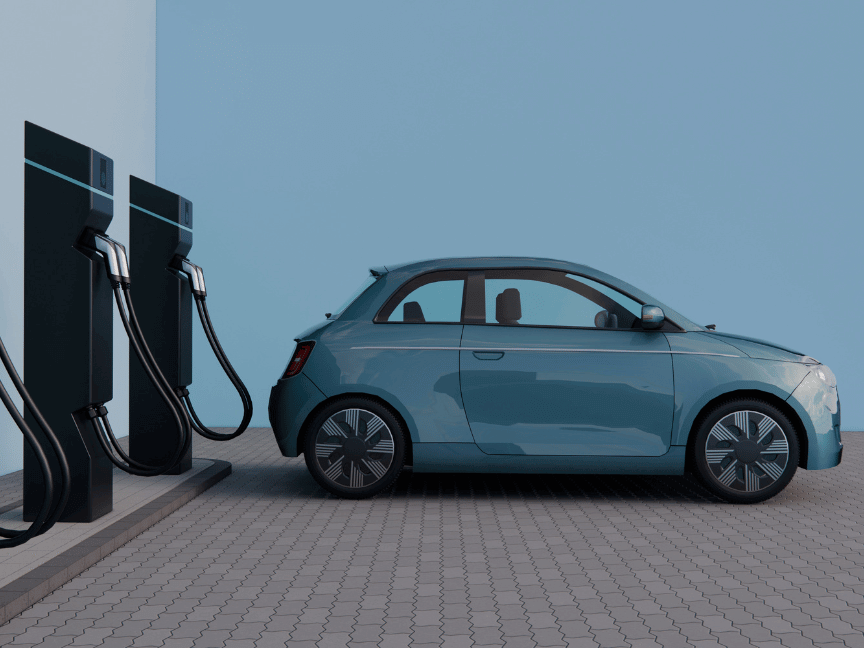
If your business is thinking about purchasing an electric company car, there is an important deadline to keep in mind. The current First Year Allowance (FYA) for electric cars is scheduled to end on 31 March 2026, unless extended in the Autumn Budget.
What is the FYA and why does it matter?
FYA stands for first-year allowances, a government scheme that allows for ‘enhanced capital allowances’ in a businesses first year. Qualifying purchases could include:
- Electric charging vehicles/ cars with zero emmissions
- Electric/ Zero emmission goods stransport vehicles
- EV Charging equipment
- Plant and machinery for gas refuelling stations
Under the current rules, businesses can claim 100 percent of the cost of qualifying new electric vehicles against taxable profits in the year of purchase. This provides a generous and immediate tax benefit for companies investing in low-emission vehicles.
However, it is important that businesses are aware of the March 31st 2026 deadine as from 1 April 2026, electric vehicles will no longer qualify for this 100 percent relief.
Instead, they will be subject to the standard Writing Down Allowance (WDA) of 18 percent per year. This means that businesses will need to spread the tax relief over several years, which reduces the upfront benefit.
Why is the timing for EV company cars important?
It is worth noting that lead times on new electric vehicles can be lengthy, and in some cases delivery may not take place for several months after ordering. With continued supply chain delays across the automotive industry, waiting too long could mean your vehicle is not delivered and registered by 31 March 2026. To qualify for the FYA, the vehicle must be delivered and brought into use before this date. Simply placing an order before the deadline is not enough. If you are considering purchasing an electric vehicle for your business, we recommend:
- Placing your order well in advance, ideally by the end of 2025
- Confirming delivery dates with your supplier to ensure the vehicle will arrive and be registered before 31 March 2026
- Speaking to your accountant about how this fits into your broader tax planning strategy
Electric vehicles remain attractive from a Benefit in Kind (BIK) perspective, with rates currently as low as 3 percent. We are here to support clients in navigating changes to tax reliefs and allowances. If you are planning capital purchases, including electric vehicles, we can advise on timing, eligibility, and how to maximise available reliefs. Contact us today on 01142 664 432 or email info@smh.group to speak with one of our advisers.
Electric Company Car – FAQs
Do you pay company car tax on electric cars?
Currently, businesses can reclaim 100% of the cost of a new electric company car against Corporation Tax. However, it is important to take note that this is only guarunteed if the car is purchased, [paid for, and deliveredbefore the 31st of March 2026.
This tax benefit was put in place to incenivise the purchasing of electric vehhicals in an effort to meet the UKLs goal to be net-zero by 2050, as well as off-set the historically higher cost of EV which may signifigantly influence some purchaser’s decisions.
What are the benefits of electric comany cars in 2026?
there are lots of benefits as electric vehicles become more popular moving further into 2026. Benefits of embracing electric as your company car of choice include:
- Access to the Workplace Charging Scheme: With EV company cars, yopu may become eligible for the WCS scheme, providing up to £350 to be put towards the cost of purchasing and installing EV charhing points at thei workplace
- Tax benefits: Until March 2026, businessses will be able to claim 100% First-Year Capital Allowance against the cost of a electric company car.
- Lower running costs: Electric vehicles represent a long term investment with lower running costs compared to petrol or diesl alternatives, particularly when chared at work or homes.
What is the workplace charging grant?
The Workplace Charging Scheme (also referred to as WCSI) is a government scheme for businesses across England, Scotland, Wales and Northern Ireland. The scheme is run and overseen by the Driver and Lichicle Licensing Agency (DVLA) and Office for Zero Emmission Vehicles (OZEV)
The scheme provides eligable candidates with financial support towards the upfront costs of the purchase and installation of electric vehicle charge points.
So, who qualifies for this incentive for greener travel? The scheme is open to public sector, business and charity organisiations. Each applicant must also meet certain site eligibility criteria, i9ncluding:
- The workplace siute must have a minimum power supply of 3kW to each individual socket that is not diminished by their simultaneous use.
- The site can have no more than one socket installed for each accessible parking space.
- The charging points must be for staff and/or fleet vehicle use.
- If you are running your organisation from your home address, it must be reguisted though Companies House, and the address must be recorded on tour non-domestic business rate bill, as issued by your local council or Land and Property Services.
In summary, the gscheme covers up to 75% of the total costs of the purchase and installation of EV chargepoints (inclusive of VAT), capped at a maximum of:
- £350 per socket
- 40 sockets across all sites per applicant. This means that, if you would like to install them in 40 sites, you will have 1 socket available per site



Comments are closed.