
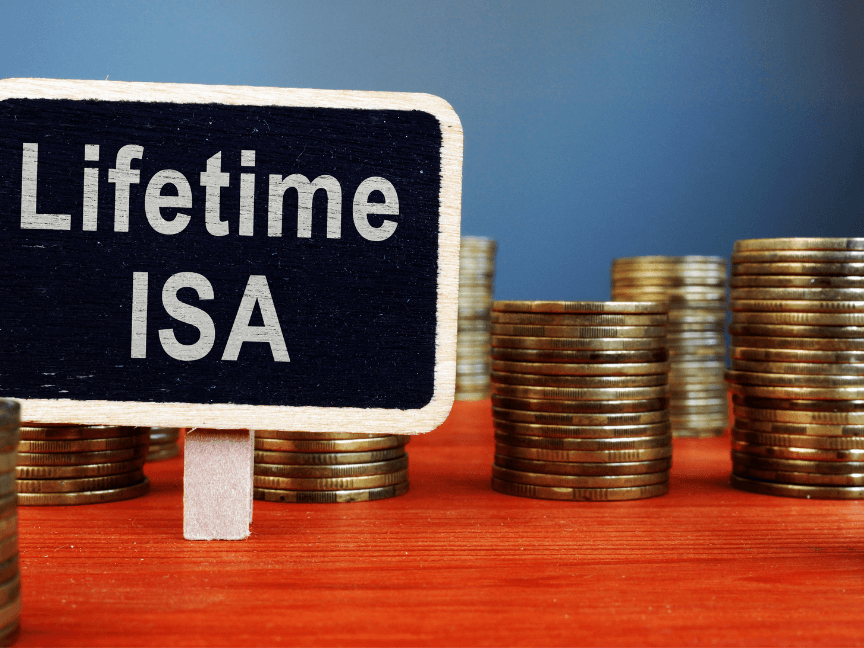
The government has published a consultation document outlining proposals to replace the Lifetime ISA (LISA).
The Lifetime ISA was introduced in the March 2016 Budget and attracted criticism from the outset for trying to address two very different financial goals:
- Saving towards the purchase of a first home, which is generally a shorter-term objective.
- Building funds for retirement, which is a much longer-term goal, as the maximum age to open a LISA is 39 and the minimum age to access retirement benefits is 60.
There was a point after the initial announcement (by George Osborne) it seemed possible LISAs would be killed off (by Osborne’s successor, Philip Hammond). LISAs did eventually launch in April 2017, but from only a handful of providers. Most ISA managers viewed the new plan as neither fish nor fowl and best ignored.
In 2025, the House of Commons Treasury Committee issued a report on LISAs, which reached much the same conclusion. Later that year, the then Chancellor Rachel Reeves announced in her Autumn Budget that LISAs would be replaced with a new ISA for first-time buyers. A consultation paper on the design of a new First Time Buyer ISA (FTB ISA) was published in late June 2026. Its proposals include:
- Whereas LISAs benefit from a 25% government bonus as each contribution is paid, the FTB ISA would only benefit from a bonus when it was used towards the purchase of a first home.
- The paper did not specify any bonus level, but suggested that the amount would be a trade-off between the maximum contribution level (£4,000 a year for a LISA) and the maximum eligible property value (frozen at £450,000 for LISAs since April 2017).
- There would be no penalties for the FTB ISA if it were cashed in other than for home purchase. If a LISA is not used for home purchase or cashed in before age 60, an ‘unauthorised withdrawal charge’ of 25% of its value goes to the Treasury. The paper notes that more LISA investors have suffered this charge than have used their plan for property purchase.
Despite the widespread criticism of LISAs, there are circumstances where they are appropriate and potentially better than the FTB ISA. If you think those circumstances might apply to you, do take advice before acting.
Investing in shares should be regarded as a long-term investment and should fit in with your overall attitude to risk and financial circumstances.
The value of the investment and the income from it can fall as well as rise and investors may not get back what they originally invested, even taking into account the tax benefits.
Investors do not pay any personal tax on income or gains, but ISAs may pay unrecoverable tax on income from stocks and shares received by the ISA managers.
Stocks and Shares ISAs invest in corporate bonds, stocks and shares and other assets that fluctuate in value.
Planning to buy your first home?
Changes to first time buyer savings schemes could affect how you save towards a deposit and the incentives available to you.
Our team can help you understand the proposed changes, review your wider financial plans and make sure your savings strategy continues to support your property goals.
Speak to our team about your financial planning.



Comments are closed.