
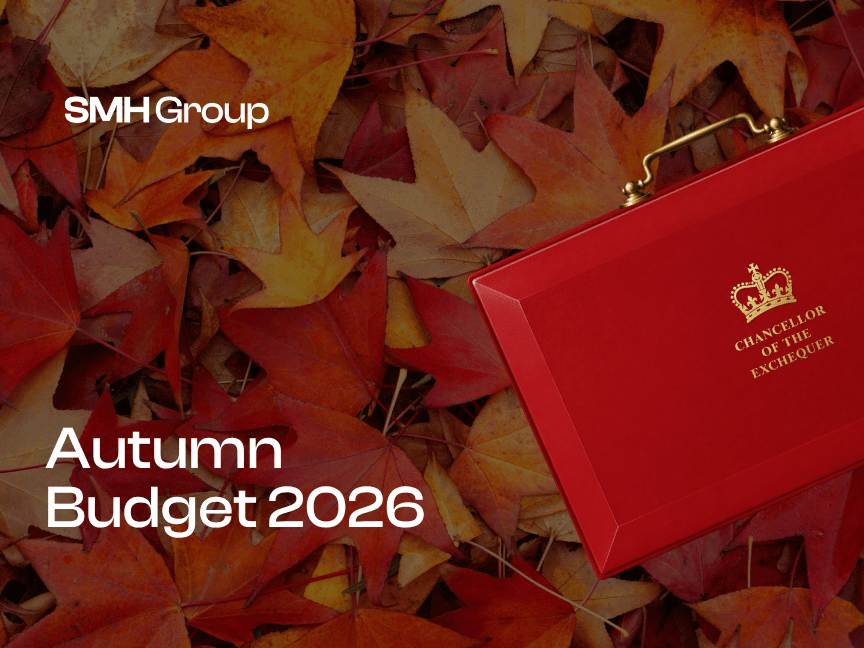
The 2026 Autumn Budget has been announced by Chancellor John Healey, setting out a range of measures that will influence financial planning for individuals and businesses alike.
We have summarised the key announcements to help you understand what is changing, when the changes take effect and what they could mean for your personal finances or business plans.
Against a challenging background of high government debt, soaring energy prices related to a complex war and higher-than-predicted interest rates, Mr Healey presented one of the densest Budget speeches of recent years. With over 95 different scored measures, the focus was on creating “breathing space” on cost-of-living pressures in an uncertain global climate, and on incremental change within fiscal rules.
Among the wide range of measures were:
- An additional two percentage points increase for tax rates on savings income and property income from 2027/28 for basic, higher and additional rate taxpayers. Dividend tax rates will be unchanged.
- A new pensions tax allowance will be introduced for three years to remove pensioners with income equal to no more than the new state pension from the tax net.
- The restriction on the cash ISA limit for savers under 65 has been reversed.
- A new First Time Buyer ISA will be introduced from April 2029 and will replace the lifetime ISA (LISA) which will continue, with a small reduction in the penalty charge for property buyers who breach the £450,000 purchase price cap.
- To help with increased home energy costs, a one-off £100 energy payment will be given to households in council tax bands A to D.
- Standing charges on domestic gas use will be removed during 2027, or as soon as possible thereafter, with the fees shifting onto unit prices instead.
- The trading allowance will be tripled to £3,000 from 2027/28.
- Capital allowances will see an increase to the main first year allowance from 40% to 50% from 1 January 2027, but a cut to the main writing down allowance from 14% to 12% from April 2027.
- The business assets disposal relief limit will be halved to £500,000 from April 2027, while a new Founders’ Relief will be introduced with a £10 million limit “for qualifying founders of high-growth, innovative companies”.
The amount of documentation generated by this first Burnham-era Budget contained a wide range of detailed proposals and much to digest. Our Budget summary highlights the key aspects likely to affect you. If you have any questions about what you should do next, please get in touch by calling 0330 1070 873 or emailing info@smh.group.



Comments are closed.